
Real-time chip monitoring represents the single most transformative operational capability that RFID technology brings to casino table gaming. The ability to see every chip on every table at every moment — where it is, how much it is worth, and who placed it — fundamentally changes how operators manage their gaming floors. This article examines the technical architecture, operational applications, and business impact of real-time chip monitoring systems powered by RFID casino gaming tables.
Architecture of Real-Time Monitoring Systems
Data Acquisition Layer
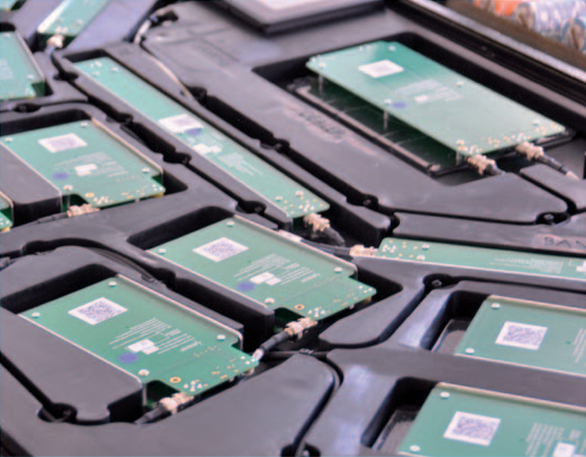
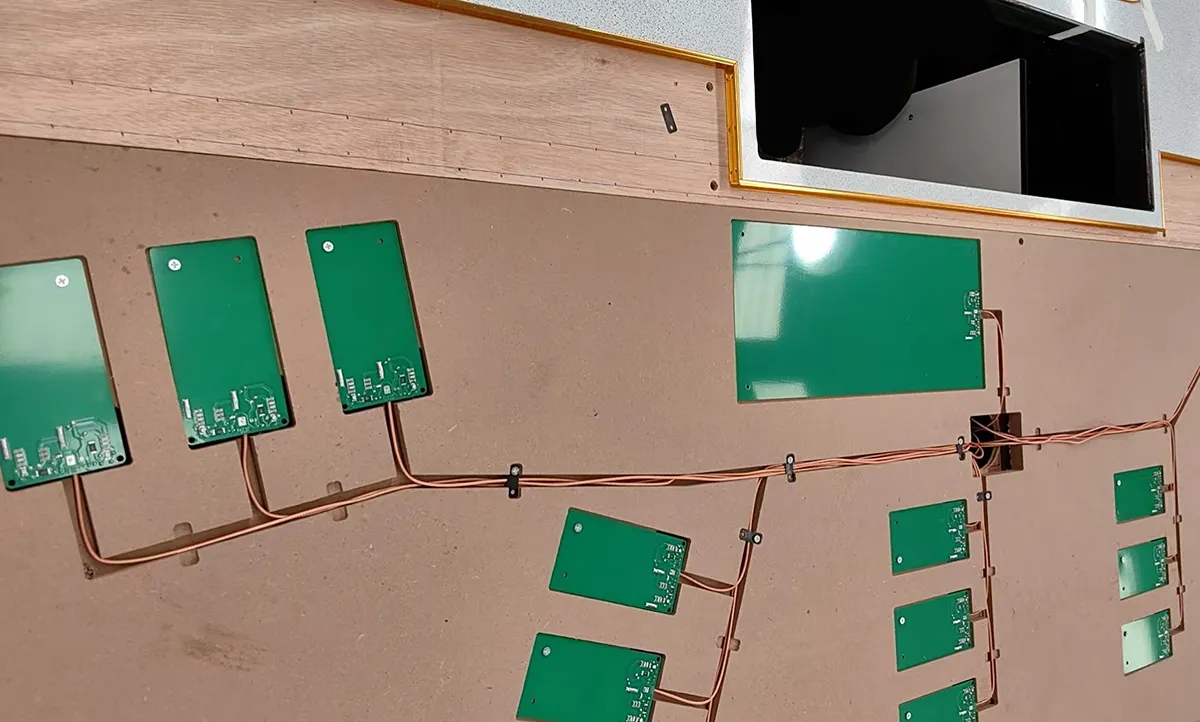
The data acquisition layer consists of RFID antennas embedded in gaming tables, reader modules that process antenna signals, and local controllers that aggregate data from each table. Antennas scan their coverage zones at intervals of 50 to 100 milliseconds, generating a continuous stream of chip detection events. Each event includes the chip’s unique identifier, its estimated position on the table, and the timestamp of the detection RFID Baccarat Table.
Readers process the raw antenna signals, filter duplicate detections, resolve anti-collision sequences, and transmit cleaned data to the local controller. The local controller maintains a state model of all chips on the table, updating chip positions and bet amounts with every scan cycle. This state model represents the single source of truth for the table’s current chip configuration.
Data Transport Layer
The data transport layer moves chip monitoring data from table-side controllers to the central processing infrastructure. Modern systems use dedicated Ethernet connections for reliability, with cellular or Wi-Fi backup for redundancy. Data is transmitted in compressed binary formats to minimize bandwidth consumption, with typical data rates of 50 to 200 kilobytes per second per table.
Quality of service controls ensure that monitoring data receives priority over non-critical network traffic. Latency-sensitive applications such as fraud alerts and payout verification require end-to-end delivery times under 500 milliseconds. Network monitoring tools track latency and packet loss, alerting IT staff to any degradation that could affect monitoring accuracy.
Central Processing and Analytics Layer
The central processing layer ingests monitoring data from all tables, correlates it with data from other casino systems, and produces actionable outputs. This layer runs on server infrastructure within the casino data center or in a secure cloud environment. Processing pipelines handle data normalization, event detection, and alert generation in real time.
Analytics engines operate on both streaming and historical data. Stream processing enables real-time dashboards and alerts. Batch processing supports trend analysis, compliance reporting, and executive summaries. Machine learning models trained on historical data identify patterns and anomalies that rule-based systems might miss.
Operational Applications of Real-Time Monitoring
Floor Management Dashboards
Real-time monitoring feeds dashboards that give pit managers and floor supervisors an instant view of table game operations. These dashboards display table occupancy, total chip value on each table, bet distribution by denomination, and game pace metrics. Color-coded indicators highlight tables that need attention — high chip counts suggesting potential high-value play, low occupancy suggesting a table should be closed, or anomaly alerts indicating potential issues.
Dashboards are accessible on desktop workstations, tablet computers, and handheld devices. Mobile access enables floor supervisors to monitor table status while walking the pit, reducing their dependence on stationary monitoring stations. Some operators equip supervisors with smartwatches that display critical alerts, enabling immediate response without requiring them to check a device.
Chip Inventory Management
Real-time chip monitoring eliminates the need for periodic manual chip counts. The system maintains a continuously updated inventory of all chips on the gaming floor, in chip banks, and in cash cages. Inventory reports are available on demand, showing chip counts by denomination, series, and location.
Discrepancies between expected and actual chip counts are flagged automatically. When the system detects that the total chip value on a table does not match the expected value based on buy-ins, payouts, and color exchanges, it generates an inventory alert. These alerts catch chip theft, counting errors, and unrecorded transactions that would otherwise remain undetected until the next manual audit.
Fraud and Theft Detection
Real-time monitoring provides the most effective technological defense against chip theft and fraud. The system tracks chip movements across the entire gaming floor, detecting suspicious patterns that indicate criminal activity. Key fraud detection capabilities include:
Unauthorized chip movement detection identifies chips that appear on a table without a corresponding buy-in or transfer record. This capability catches chips introduced to the table through theft, counterfeiting, or collusion.
Chip velocity monitoring tracks how quickly chips move between tables and areas. Unusually rapid chip movement may indicate money laundering, chip dumping, or coordinated fraud involving multiple participants.
Position anomaly detection identifies chips that appear in unexpected locations on the table, such as chips that move from a player’s stack to a betting circle without being placed there by the player. This detection catches chip capping and past posting.
Player Behavior Analysis
Real-time monitoring captures player behavior data at a granularity that manual observation cannot match. Every bet, every session, every denomination change, and every table change is recorded with precise timestamps. This data feeds player tracking systems that calculate theoretical win, actual win, and comp eligibility with near-perfect accuracy.
Behavioral analytics identify player segments based on actual playing patterns rather than estimated data. Marketing teams design targeted offers for each segment, improving campaign effectiveness and comp investment returns. Real-time behavior data also enables in-session marketing interventions, such as offering a meal voucher to a player whose session duration exceeds a threshold.
Business Impact Metrics
Revenue Protection
Operators who deploy real-time chip monitoring report error-related revenue losses declining by 85 to 95 percent. Fraud-related losses decline by 60 to 80 percent, depending on the sophistication of the fraud threats faced. Combined, these protections recover 0.2 to 0.5 percent of table game drop that would otherwise be lost to errors and fraud.
For a property with $100 million in annual table game drop, this recovery represents $200,000 to $500,000 in incremental revenue per year. Over a five-year period, the cumulative revenue protection benefit often exceeds the total cost of the RFID deployment.
Operational Efficiency
Real-time monitoring reduces labor costs associated with chip counting, inventory auditing, and manual player rating. Operators report 30 to 50 percent reductions in chip audit labor and 40 to 60 percent reductions in manual player rating effort. Freed staff time is redirected to higher-value activities such as customer service and game protection.
Table utilization improves because managers can make real-time decisions about table openings and closings based on occupancy and demand data. Operators report 5 to 10 percent improvements in table utilization after deploying real-time monitoring, translating to incremental revenue from better floor management.
Decision-Making Speed
Real-time data eliminates the delay between event occurrence and management awareness. Decisions that previously required hours of data compilation and analysis now happen in minutes. Table mix adjustments, staffing changes, and promotional interventions happen in real time rather than at the next shift briefing.
Implementation Best Practices
Start with High-Value Tables
Deploy real-time monitoring on high-value tables first — VIP baccarat, high-limit blackjack, and premium roulette. These tables generate the most revenue and face the highest fraud risk, making them the best candidates for immediate ROI. Expand to the general gaming floor as the operations team gains experience and confidence with the technology.
Invest in Training
Real-time monitoring data is only valuable if people act on it. Train floor supervisors, pit managers, and surveillance staff to interpret dashboards, respond to alerts, and use analytics tools. Operators who invest in comprehensive training report faster time-to-value and higher staff adoption rates.
Integrate with Existing Systems
Real-time monitoring delivers maximum value when integrated with casino management systems, player tracking databases, surveillance infrastructure, and financial reporting platforms. Plan integration architecture early in the deployment process and allocate sufficient resources for interface development and testing.
Frequently Asked Questions
What is the data latency of real-time chip monitoring systems?
End-to-end latency — from chip detection on the table to dashboard display — typically ranges from 200 to 500 milliseconds in well-configured systems. Alert generation for fraud and error events occurs within 1 to 2 seconds of detection. These latencies are well within the operational requirements of casino table game management Macaumr RFID Solutions.
How much network bandwidth does real-time monitoring require per table?
Each RFID table generates approximately 50 to 200 kilobytes per second of monitoring data, depending on the number of chips on the table and the scan frequency. A property with 100 tables requires 5 to 20 megabits per second of dedicated bandwidth for monitoring data. Most modern casino networks can accommodate this without significant upgrades.
Can real-time monitoring operate during a network outage?
Table-side controllers cache monitoring data locally during network outages. When connectivity is restored, cached data is transmitted to the central system. Real-time alerts and dashboard updates are unavailable during the outage, but no data is lost. Operators should configure redundant network paths to minimize outage duration.
What happens if an antenna in the monitoring system fails?
Antenna failures are detected automatically by the table controller. The system generates a maintenance alert and continues operating with reduced coverage in the affected zone. Dealers are trained to verify chip placements in the uncovered area manually until the antenna is repaired. Most manufacturers offer same-day or next-day repair service for critical components.
How long is monitoring data retained?
Retention policies vary by jurisdiction and operator preference. Most regulators require gaming data retention of 5 to 7 years. Real-time monitoring data, including chip position histories and alert logs, should be retained for the same period. Storage costs are modest — a 100-table property generates approximately 5 to 10 terabytes of monitoring data per year, which can be archived on cost-effective storage media.